Lentils are one of the most useful ingredients you can keep in your cupboard. They are inexpensive, last for months, need no soaking and cook faster than most other dried pulses. One bag can become a silky soup, a hearty curry, a salad that holds up for days or a meat-free filling for pies and pasta sauces.
If you have ever ended up with lentils that turned to mush when you wanted them whole, or stayed hard when you wanted them soft, the problem was probably the type rather than your cooking. This guide explains how to cook lentils of every common type, with timings, ratios and ideas for using them.
Why lentils are worth cooking
Lentils are pulses, the edible dried seeds of plants in the legume family, alongside beans, chickpeas and dried peas. According to Harvard’s Nutrition Source, lentils provide protein, fibre, folate, iron and potassium, and are naturally low in sodium and saturated fat.
That combination makes them a practical way to add protein and fibre to meals, whether you eat meat or not. They also stretch other ingredients: swapping some of the mince in a chilli or pasta sauce for cooked lentils adds bulk and texture at a lower cost.
Types of lentils and how they behave
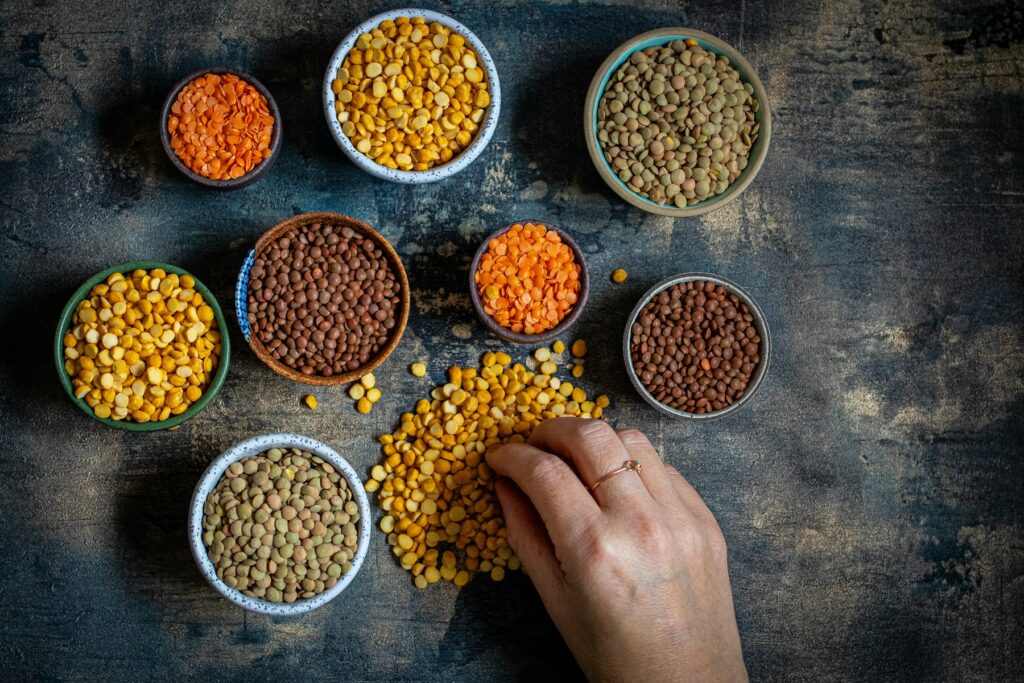
Lentils are sold either whole, with their outer skin on, or split, with the skin removed. That difference determines how they behave in the pan. Whole lentils hold their shape; split lentils break down.
| Type | Texture when cooked | Simmer for | Best for |
|---|---|---|---|
| Split red or yellow | Soft, breaks down | 10–15 min | Soups, dal, thickening sauces |
| Brown | Soft but mostly holds shape | 20–30 min | Stews, pies, pasta sauces |
| Green | Firm, holds shape | 20–30 min | Salads, side dishes, grain bowls |
| Puy (French green) | Firm, peppery, keeps shape well | 20–30 min | Warm salads, alongside fish or roast veg |
| Black (beluga) | Firm, glossy, holds shape | 20–30 min | Salads and bowls |
Times are a guide. Older lentils can take longer, so start checking a few minutes early and cook until they are as soft as you like.
How to cook lentils on the hob
Sort and rinse
Tip the lentils into a sieve and look through them for any small stones or debris, then rinse well under cold water.
Skip the soaking
Unlike dried beans and chickpeas, lentils do not need soaking before cooking.
Add plenty of liquid
Harvard’s Nutrition Source suggests about 3 cups of water or stock for every cup of dried lentils. In metric, that is roughly 700 ml liquid for 200 g lentils.
Boil, then simmer
Bring the liquid to the boil, add the lentils, then turn the heat down, cover and simmer gently. A rolling boil can split whole lentils and make them mushy.
Test and drain
Taste a few lentils to check the texture. Drain any excess liquid from whole lentils. Season with salt once they are tender.
How to add flavour
Lentils have a mild, earthy flavour that soaks up whatever you cook them with. A few simple additions make a big difference:
- Cook in stock instead of water
- A bay leaf and a garlic clove
- Cumin, coriander and turmeric
- Smoked paprika
- A squeeze of lemon to finish
- Olive oil and fresh herbs
For salads, dress whole lentils while they are still warm. They absorb the dressing much better than when cold.
Canned or dried lentils?
Canned and vacuum-packed lentils are already cooked and ready to use. They are a great shortcut for salads and quick weeknight meals. Rinse canned lentils well before using to remove some of the salty liquid. Dried lentils cost less per portion and give you more control over texture, so it is worth keeping both in your pantry.
Storing lentils
- Dried lentilsKeep in an airtight container somewhere cool and dry. Use older lentils first; they can take longer to cook.
- Cooked lentilsCool quickly, then keep covered in the fridge and use within a couple of days.
- FreezingCooked lentils freeze well in portions. Add them straight to soups and stews from frozen.
- DigestionPulses can cause wind in some people. Introducing them gradually often helps.
Easy ways to use lentils
Once you have a pot of cooked lentils, there are plenty of ways to use them:
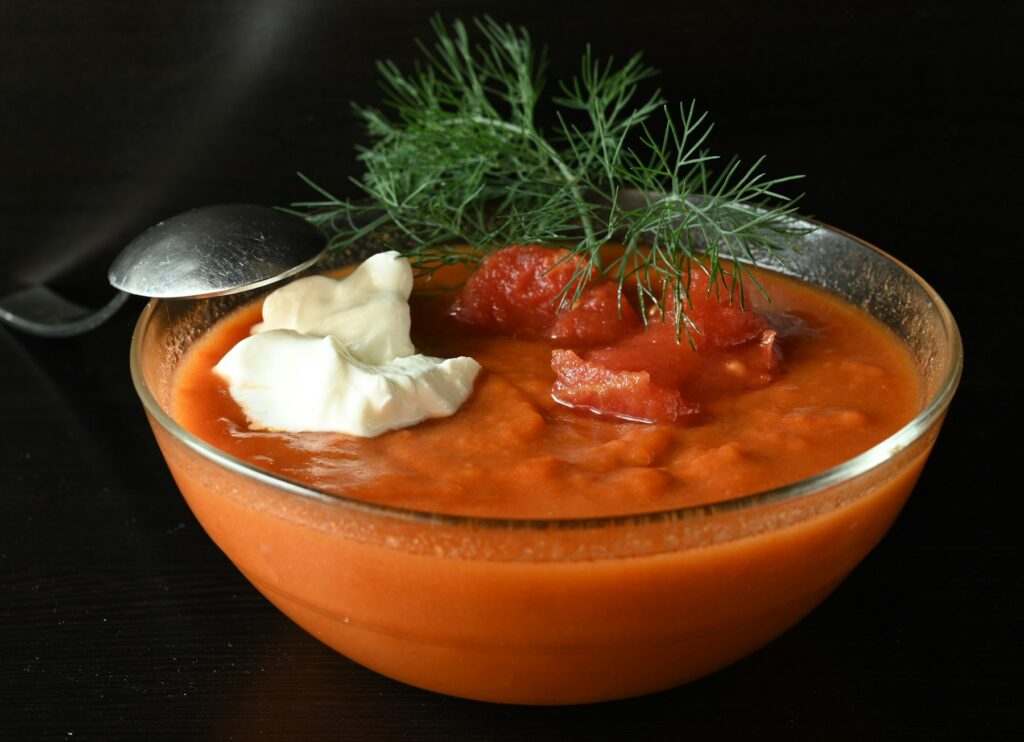
- Stir red lentils into a tomato soup or curry to make it thicker and more filling.
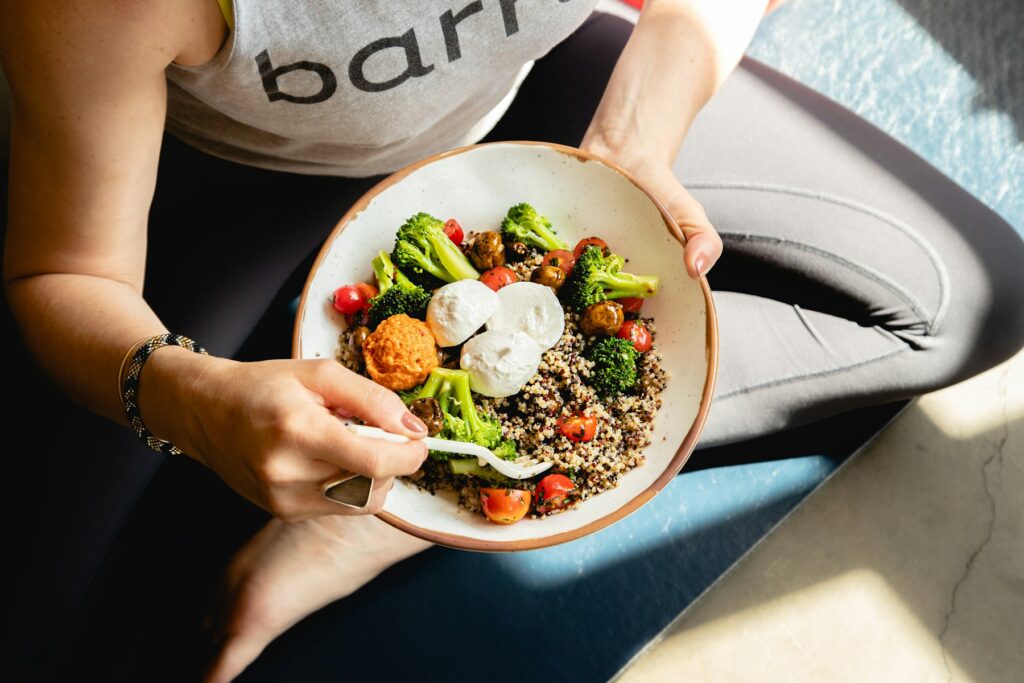
- Use green or black lentils as the protein in a grain bowl, with roasted vegetables and a lemon-tahini dressing.
- Replace half the mince in a bolognese, chilli or cottage pie with cooked brown lentils.
- Toss warm Puy lentils with olive oil, lemon, herbs and crumbled feta for a quick salad.
- Blend cooked red lentils with garlic, lemon and tahini as an alternative to hummus.
Sources and further reading
- Harvard T.H. Chan School of Public Health, The Nutrition Source: Lentils — types, nutrients and cooking guidance
- Harvard T.H. Chan School of Public Health, The Nutrition Source: Legumes and Pulses — what pulses are and their role in a healthy diet
- Harvard Health Publishing: Pulse power — easy ways to eat more pulses
- USDA FoodData Central — nutrient data for lentils and other foods