Leftovers are one of the easiest ways to save time and money in the kitchen. Cook once, eat twice, and tomorrow’s lunch is already sorted. But it is also easy to lose track. Is that curry from Sunday still fine on Thursday? Can you reheat rice? Should soup go in the fridge while it is still hot?
This guide answers the question how long do leftovers last, and explains how to cool, store, freeze and reheat them safely. It is based on official advice from the UK’s Food Standards Agency (FSA) and the US Department of Agriculture (USDA), with practical tips we use in our own kitchen.
How long do leftovers last in the fridge?
The short answer depends on where you look, because food safety agencies give slightly different guidance:
The Food Standards Agency advises eating leftovers within 48 hours or freezing them if that will not be possible. The USDA allows three to four days. If you want a simple rule that keeps you on the safe side wherever you live, aim to eat leftovers within two days and freeze anything you will not get through. The storage times on our recipe pages sit within this range, but when in doubt, choose the shorter time.
How to cool and store leftovers
How quickly food goes into the fridge matters as much as how long it stays there. Bacteria multiply fastest at warm temperatures. The FSA calls the range between 8°C and 63°C the “Danger Zone”, because bacteria can grow quickly between these temperatures.
Cool it quickly
Get cooked food cooled and into the fridge within two hours. Do not leave a pot of stew on the hob overnight.
Divide large batches
A big pot of soup takes a long time to cool. Split it into smaller, shallow containers so it chills faster. You can also stand the pan in a sink of cold water and stir.
Cover and label
Use airtight containers or cover bowls well. Write the date on a piece of masking tape so you know exactly when it was made.
Keep the fridge cold
The FSA recommends keeping your fridge between 0 and 5°C. A cheap fridge thermometer helps you check, especially in summer or when the fridge is very full.
The special rules for rice
Cooked rice needs extra care. Uncooked rice can contain spores of a bacterium called Bacillus cereus. These spores can survive cooking, and if cooked rice is left at room temperature they can grow and produce toxins that reheating will not remove.
- Cool rice as quickly as possible and keep it in the fridge.
- Eat it within 24 hours of cooking.
- Reheat it only once, until it is steaming hot all the way through.
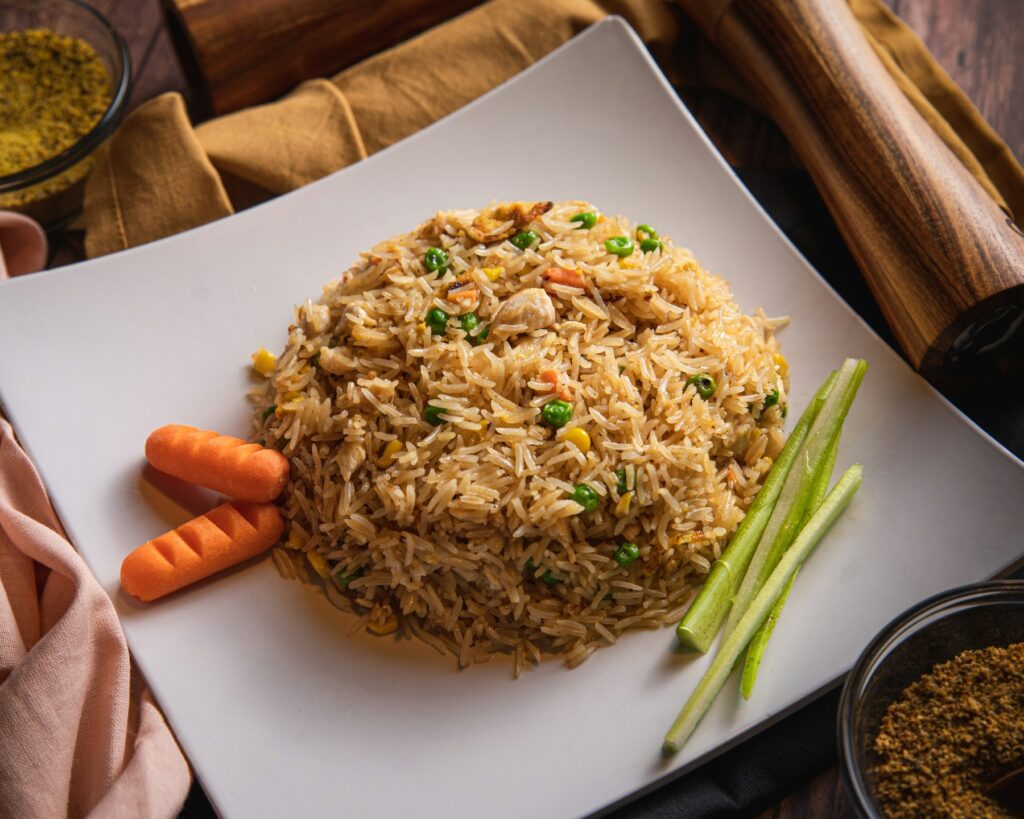
Day-old rice is perfect for fried rice, as long as it has been cooled and stored properly. Our egg fried rice with peas is designed for exactly that, and our guide to cooking fluffy rice on the stove covers storage too.
Freezing and defrosting leftovers
Freezing is like pressing pause. The FSA recommends a freezer temperature of around −18°C. At that temperature bacteria cannot grow, although freezing does not kill them, so food still needs to be handled carefully once defrosted.
| Freezes well | Freezes less well |
|---|---|
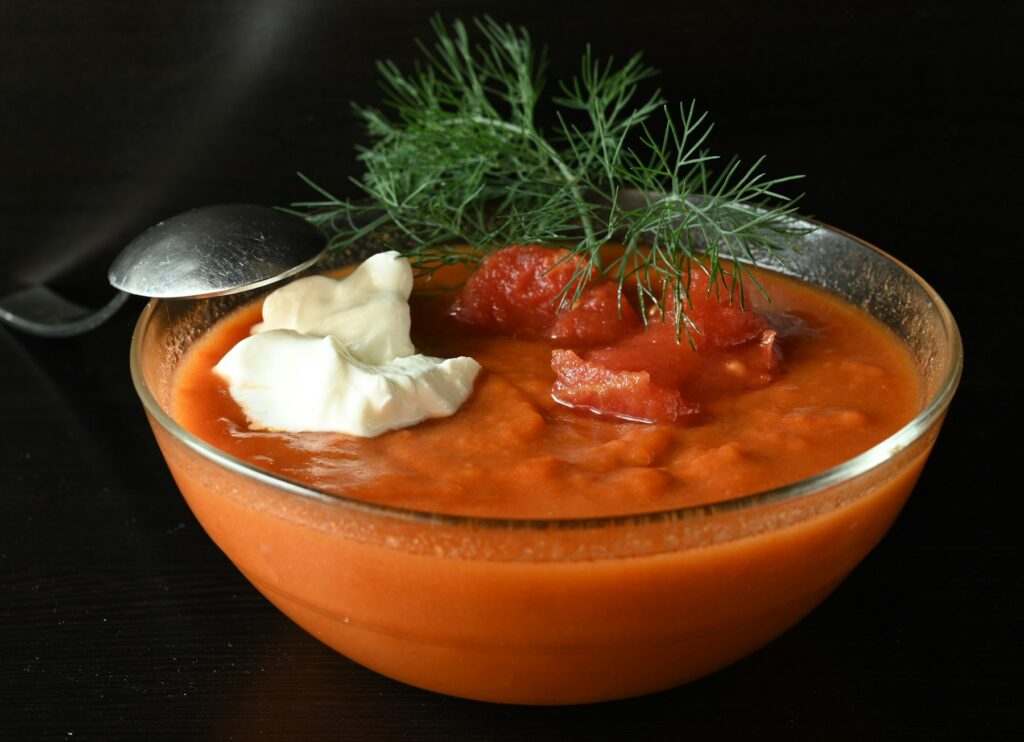
| Soups, such as tomato lentil soup | Salads with cucumber or lettuce |
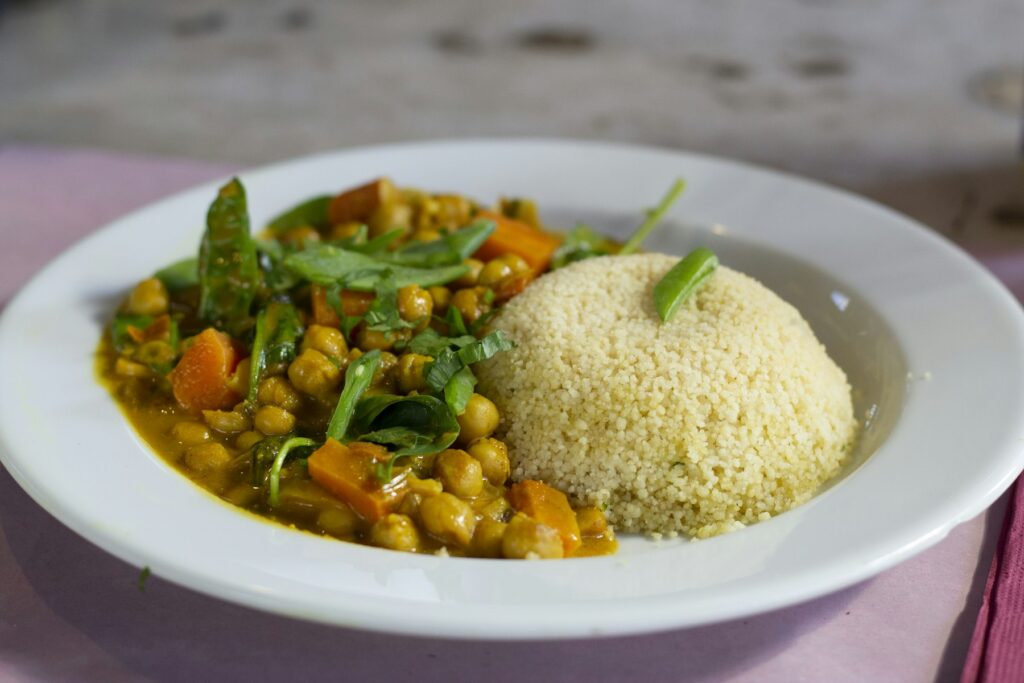
| Curries and stews, such as spinach and chickpea curry | Cream sauces, which can turn grainy |
| Cooked grains and pasta sauces | Fried or crispy foods, which go soft |
| Unbaked crumble, such as our apple crumble | Boiled eggs |
Defrost food in the fridge rather than on the counter, in a container that catches any drips. Once fully defrosted, the FSA advises using it within 24 hours, because it will spoil in the same way as fresh food.
How to reheat leftovers safely
When you reheat leftovers, they should be steaming hot all the way through, not just warm on the outside. The FSA explains that the centre of food should reach 70°C for two minutes, or an equivalent combination such as 75°C for 30 seconds. A food thermometer is the easiest way to check.
- Stir as you goMicrowaves heat unevenly. Stir halfway through and let food stand for a minute before checking.
- Reheat only what you needTake out a portion rather than reheating the whole batch again and again.
- Add a splash of waterSoups, sauces and grains thicken in the fridge. A little water helps them heat evenly.
- Do not reheat twiceReheat leftovers once, and never reheat rice more than once.
Making leftovers work for you
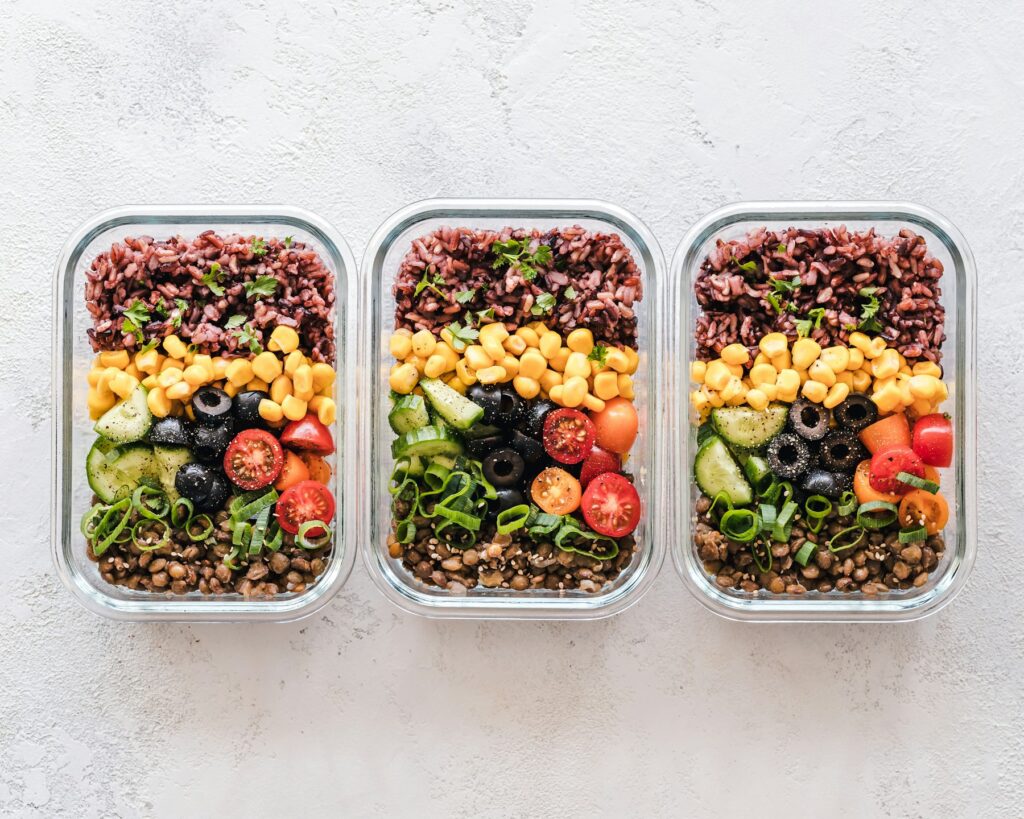
The best way to avoid wasted leftovers is to plan for them. Cook a double batch of something that keeps well, eat half for dinner and portion the rest for lunches or the freezer. Our realistic Sunday prep routine shows how 30 minutes of preparation can set up the week, and our weekly meal plans are designed so ingredients and leftovers carry from one night to the next.
Keep older food at the front of the fridge, newer food at the back, and check what needs eating before you shop. A few minutes of organisation goes a long way towards safer, cheaper meals.
Sources and further reading
- Food Standards Agency: How to chill, freeze and defrost food safely — fridge and freezer temperatures, the two-day rule
- Food Standards Agency: Cooking your food — cooking temperatures and using leftovers
- Food Standards Agency: Home food fact checker — advice on storing and reheating rice
- USDA Food Safety and Inspection Service: Leftovers and Food Safety — US guidance on storing leftovers